Building a greener future: Alumni leading the way in sustainable finance | School of Accounting and Finance
BAFM ’13
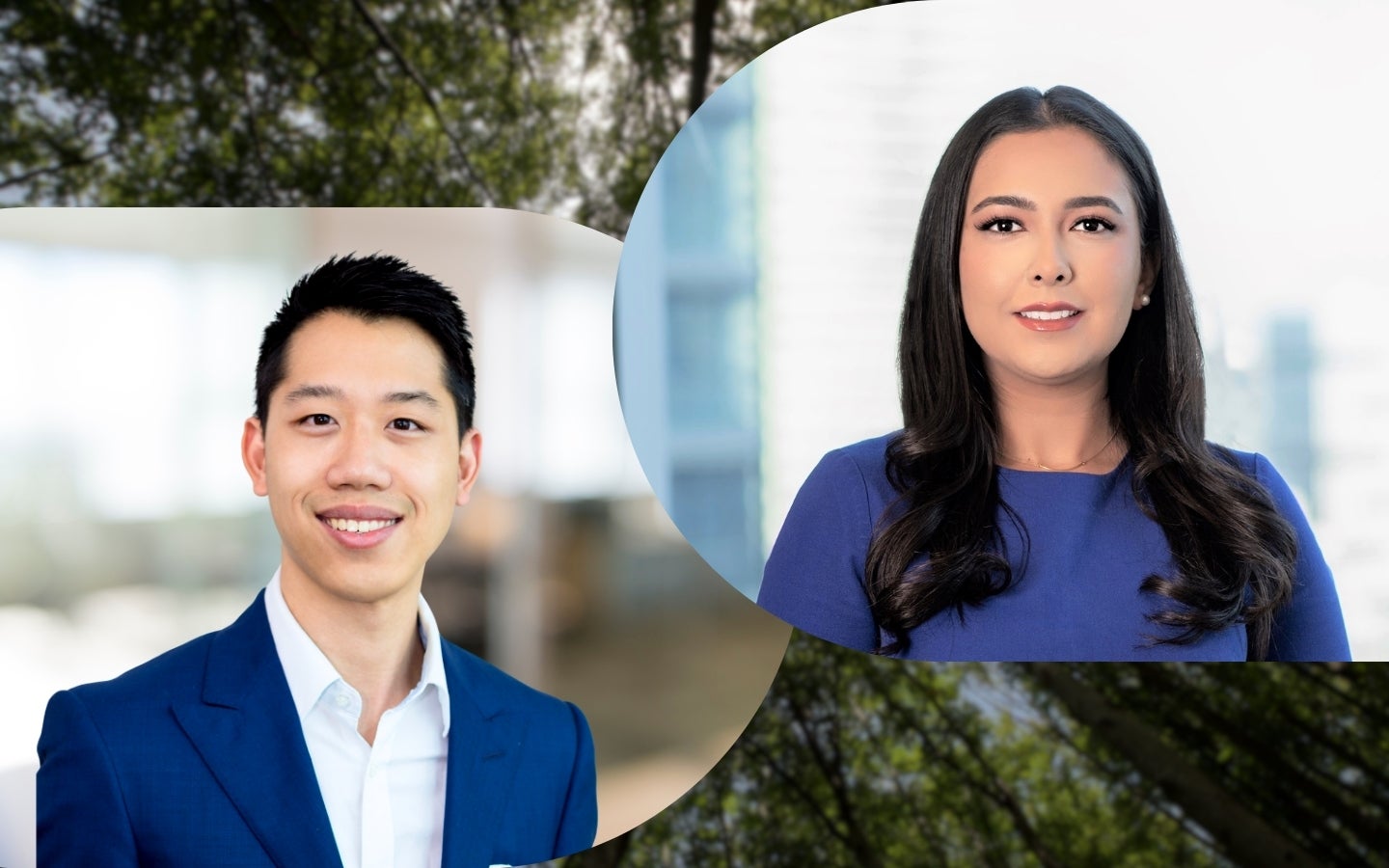
Senior Manager, Accounting Advisory and Sustainability Reporting at EY
As the Senior Manager of EY’s Financial Accounting Advisory Services (FAAS) team, Munam Khan is the ESG Reporting Lead in Canada. She specializes in guiding clients from various industries through sustainability reporting and helping finance teams understand the pivotal role they play in their organization’s sustainability journey.
Munam emphasizes that the strong foundation in accounting principles, finance and financial reporting she received throughout her educational journey at SAF—and a broad exposure to different areas of the industry—gave her the skill and confidence to take on various challenges throughout her career, including implementing new accounting standards and integrating systems to navigating mergers and acquisitions, IPOs and sustainability initiatives. She also calls her co-op experience a “game-changer” for her career, noting that it allowed her to apply classroom learning to real world situations, while exploring different roles, gaining hands-on experience, and working with leading companies.
“There will be many reasons not to try something new, but countless reasons to embrace new opportunities. Take chances, bet on yourself, and never shy away from exploring uncharted territory.”
As Munam navigates an industry that is increasingly focused on sustainability, she sees the value in programs like SFM that equip students with the skills needed to thrive in the changing job market. The undergraduate program, she explains, is meeting the rising demand for accountants who understand sustainability principles and can effectively communicate a company’s progress to stakeholders.
Adopting sustainable practices helps organizations address environmental and social concerns, but it also strengthens their ability to manage risk, enhance operational efficiency and create value that aligns with broader societal responsibilities. Munam notes that today’s investors are placing increasing value on sustainability and a company’s commitment to these principles significantly increases its overall value. While sustainable practices often lead to long-term cost savings and reduced environmental impact, she points out that a growing share of a company’s worth now comes from intangible assets like customer loyalty, employee engagement, carbon footprint, community contributions and societal impact—factors intertwined with sustainability.
“For instance,” she explains, “consider an insurance company that incorporates flood coverage into its sustainability strategy; this not only protects the business, but it also supports communities in adapting to climate change. By integrating sustainability into their core operations, companies can position themselves as leaders in their industries while simultaneously contributing positively to the world around them.”
Importantly, Munam stresses that embracing sustainability is not just a trend or a business strategy, but rather, it is an acknowledgement of the changing financial, social and environmental landscape. She believes that sustainable practices are no longer optional, but essential for fostering long-term resilience among businesses across all industries.
link